
Rehabilitation of Adapalm: Reviving an Industrial Legacy
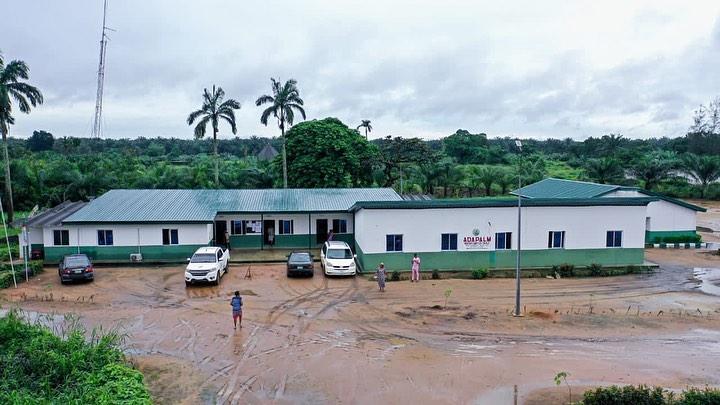
Once a major agro-industrial outfit, Adapalm held promise for large-scale palm-oil production, employment, and revenue generation in Imo State. Over time, neglect, financial mismanagement, and outdated machinery rendered it largely inactive — a relic of lost industrial hopes. Under the current administration, a rehabilitation initiative aims to bring Adapalm back to life, transforming it into a modern agro-processing and export-ready enterprise.
What the Rehabilitation Involved
The Adapalm revival was not just about fixing rusted mills or re-clearing old plantations. It involved a holistic restructuring: management overhaul, retooling of processing mills, refreshing plantation acreage, and a repositioning strategy that reimagined Adapalm as a competitive agro-export enterprise. In particular:
- New management was brought on board, with updated operational standards and renewed commitment to transparency.
- Production capacity was expanded: fresh harvesting, processing, and packaging — with upgraded facilities aligned with modern agro-processing standards.
- Focus shifted to export readiness: not just local supply but international market compliance (quality standards, packaging, export paperwork).
What the Revival Means for Local Farmers and Communities
For smallholder palm farmers in surrounding communities, Adapalm’s comeback offers a stable and reliable buyer for their produce. With active processing and export channels, there’s renewed demand for fresh palm fruit, encouraging farmers to expand cultivation, invest in better yields, and reduce wastage. Employment is another major impact: permanent jobs in processing, harvesting, logistics; indirect jobs in transport, packaging, and supply chains; and increased economic activity in adjacent communities.