
Imo Health Insurance Program and Massive Eye-Surgery Drive: Healthcare for Every Imo Citizen
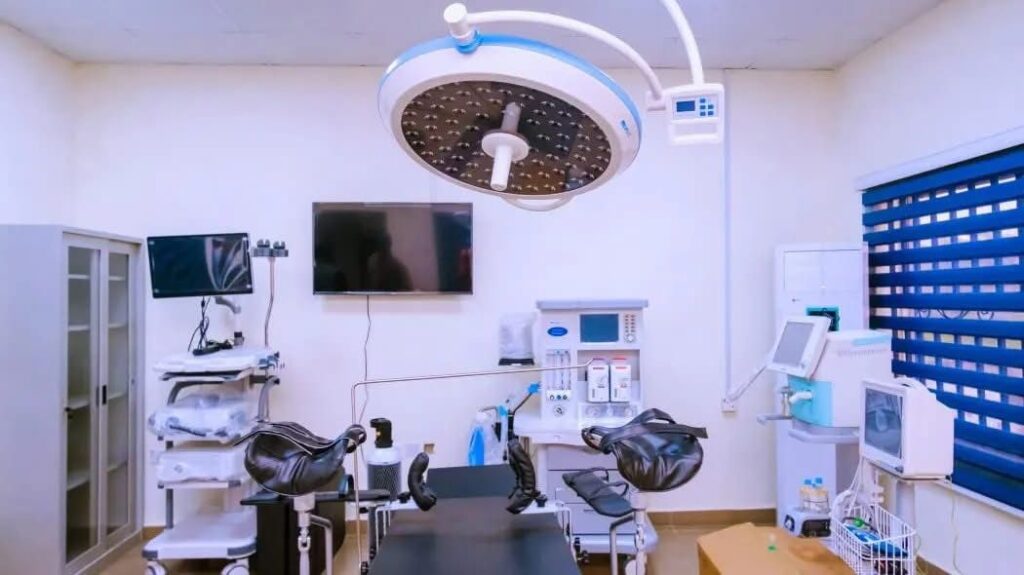
Infrastructure and roads are vital — but so is the health of the people. Under Governor Uzodimma, the health sector in Imo has seen bold reforms and expansion, most notably through the Imo State Health Insurance Scheme (“ImoCare”) and the restoration/rehabilitation of health facilities across the state.
FROM NEGLECT TO INCLUSION: HEALTHCARE REFORM IN IMO
Since assuming office, the administration initiated the rehabilitation of 305 primary health centers across all wards of the state, reviving dilapidated facilities and equipping them for better service delivery.
Furthermore, the Health Insurance Scheme was introduced to make healthcare more accessible and affordable. According to reports, residents can register with a modest annual token fee to qualify for free treatment at government or designated private hospitals. Services under the scheme include surgeries, prenatal and post-natal care, and general treatment — a major step toward universal health coverage in Imo.
EYE SURGERY INTERVENTION — REAL LIVES, REAL IMPACT
A concrete demonstration of this commitment came in October 2025, when “major eye surgeries for pensioners and dependants” were carried out at the IMSU Medical Centre in Owerri under the health insurance programme. The drive was described as part of a “bulk-purchase health economics” model — leveraging pooled resources to deliver high-quality care to vulnerable groups.
By the 7th phase of this eye-care intervention, no mortality has been reported, and dozens of pensioners regained sight — a life-changing outcome celebrated across communities.
WHY THIS MATTERS
- Health equity & accessibility: People in rural and underserved zones — previously unable to afford surgeries or even basic treatment — now have a path to quality healthcare.
- Reduced out-of-pocket expenses: With ImoCare, individuals and families avoid crippling medical bills; pensioners, especially, benefit from free or heavily subsidized care.
- Improved social safety net: For elderly citizens, dependents, and low-income families, access to free surgeries and treatment restores dignity, reduces health-related financial stress, and enhances quality of life.
Strengthened public health infrastructure: Renovated health centres across wards, better staffing, and improved services — all contribute to increased community trust, better health outcomes, and long-term resilience.