Agriculture and Economic Revival: Farms, Employment and Rural Empowerment
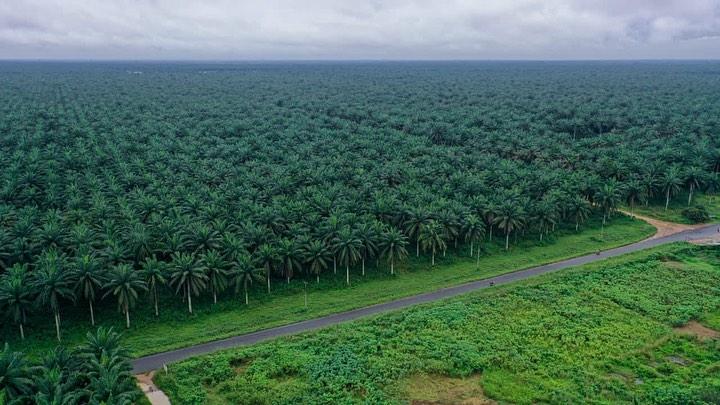
While roads, housing and urban renewal are visible signs of change, the administration under Hope Uzodimma also emphasizes rural economic revitalization — especially agriculture and livelihoods. According to public overviews, Imo’s development agenda under Uzodimma includes the revival of farm settlements, agricultural estates, water schemes, and rural-oriented projects to diversify the economy beyond oil/dependency.
WHY AGRICULTURE MATTERS FOR IMO
Given the significant rural population engaged in farming and the agrarian potential of many zones (including Okigwe and Orlu), improving agricultural infrastructure and linkages can:
- Provide employment and income for youth and rural dwellers.
- Enhance food security and reduce dependence on imports.
- Support small-scale farmers and local agribusinesses to thrive.
- Complement the road infrastructure — easier transport of produce to markets.
KEY INTERVENTIONS & DEVELOPMENT PLANS
- Revival of former farms and agricultural estates: Estates like formerly abandoned plantations (e.g. rubber, palm oil plantations) are being reclaimed and revitalized under government oversight, encouraging agro-production.
- Supporting rural economy with infrastructure: With better roads reaching rural areas, rural producers can transport goods to urban markets quickly. This is especially beneficial for perishable goods like vegetables, cassava, livestock, etc.
- Employment & youth participation: By reviving agricultural value-chains, the government hopes to create jobs, discourage rural-urban migration, and engage youths in farming and agro-business, turning agriculture into a viable enterprise instead of subsistence survival.
THE POTENTIAL & CHALLENGES AHEAD
- Potential: With good infrastructure (roads, water, land), Imo has the chance to become an agricultural hub in the Southeast — producing crops, livestock, and agro-products for internal consumption and for trade beyond state borders.
- Challenges: Success will depend on sustained investment in farm inputs, training, market access, and support services (storage, processing, transport). Without these supports, output may remain low. Also, land-use policies, environmental concerns, and fair distribution must be managed carefully.
WHAT THIS MEANS FOR OKIGWE & ORLU ZONES
Zones like Okigwe — historically agricultural — stand to benefit greatly if farm estates and rural roads link them effectively to urban markets. Similarly, the Orlu zone can leverage improved connectivity to develop agro-business clusters, agro-processing, and rural-industry linkages.
For many rural youths, this could mean stable income without leaving home — a redefinition of what progress and opportunity look like in Imo.